Top 4 Alternatives of PerformYard for Goal Tracking
Your goal tracking process stalls when PerformYard's features don't match how your team actually works. Many managers hit the same wall: clunky check-ins, rigid review cycles, or missing real-time visibility. That friction costs you momentum on every objective.
By the end of this article, you'll know exactly which PerformYard alternative fits your team's size and budget. We'll break down the core goal management features to compare, walk through four specific tools, and give you a clear number one pick based on real-world usability and integration strength.
What to Look For in PerformYard Alternatives for Goal Tracking
When evaluating PerformYard alternatives, focus on the core capabilities that drive effective goal tracking and alignment. Not all goal tracking tools are created equal. Some excel at performance reviews, while others shine at continuous check-ins or OKR management.
Your choice should match how your organization actually sets and monitors objectives. A tool that works for a 50-person startup may feel limiting for a 2,000-person enterprise. The right fit depends on your team size, culture, and existing HR infrastructure.
This guide evaluates each alternative against a consistent set of criteria. The factors below will be used to assess every tool in this article. Keep them in mind as you compare your options.
- Goal-setting depth: Does the tool support OKRs, traditional goals, or both?
- Progress tracking: Can you update progress manually, automatically, or through integrations?
- Integration ecosystem: Does it connect with your HRIS, Slack, Teams, and other tools?
- Ease of adoption: Is the interface intuitive enough for all employees to use daily?
- Scalability: Can the platform grow with your organization without added complexity?
Core Goal Management Features
Core goal management features include the ability to create, assign, and track goals with clear alignment to company objectives. The best tools let you set measurable KPIs and define success criteria from the start. This clarity helps employees understand what good performance looks like.
Cascading goals are a critical feature to examine. This functionality lets you align company objectives with team priorities and individual contributions. When everyone sees how their work connects to the bigger picture, engagement and focus improve naturally.
Real-time progress tracking with percentage completion is another essential capability. Look for tools that make progress visible at a glance. Automated updates from integrated systems save time, while manual updates work well for qualitative goals.
Check-in reminders keep goals on track between formal reviews. Regular prompts encourage employees to reflect on progress and adjust priorities. This continuous rhythm prevents goals from becoming stale or forgotten.
Use this checklist when comparing tools:
- Does it support both OKRs and traditional goal formats?
- Can you automate progress updates from other systems?
- Are dashboards available for at-a-glance visibility?
- Can you visualize alignment across company, team, and individual levels?
- Do reminders and check-ins come built in or require configuration?
Integration and Ease of Use
A goal tracking tool must integrate seamlessly with your existing HR stack and be intuitive enough for all employees to adopt. Popular integrations include communication platforms like Slack and Microsoft Teams. HR systems such as BambooHR and Workday also matter for streamlining workflows.
Integrations reduce friction and encourage consistent usage. When updates flow automatically between systems, employees spend less time on data entry and more time on actual work. Look for tools with established connectors rather than custom API work.
Ease of use often determines adoption success. A clean interface with simple navigation reduces the learning curve significantly. If employees need extensive training just to log a goal update, they will likely avoid using the tool altogether.
Request a demo or trial before committing to any platform. This hands-on experience reveals whether the interface feels natural to your team. Pay attention to how quickly a new user can create a goal, update progress, and view alignment.
Complexity is the enemy of adoption. Tools that require constant configuration or admin support tend to lose momentum over time. Prioritize platforms where the core functions work out of the box and require minimal maintenance.
1. HeyRamp - Best Overall
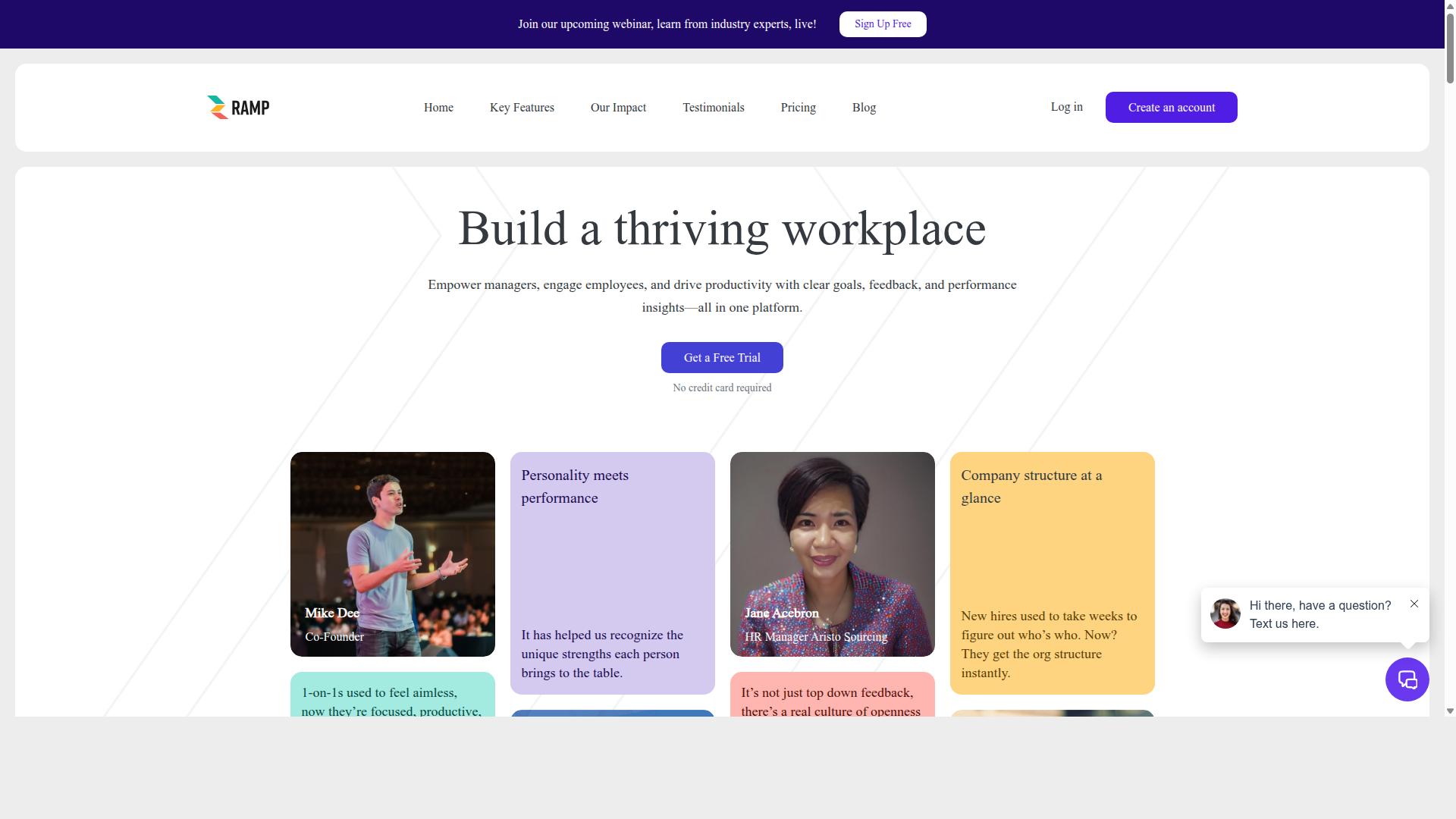
HeyRamp stands out as the best overall PerformYard alternative for goal tracking, combining robust OKR tools with integrated performance management features. Instead of juggling separate software for goals, reviews, and check-ins, teams get one connected platform that covers the entire performance cycle.
Trusted by 20+ organizations and 400+ teams, HeyRamp is built for companies that want goal setting to actually drive development. The platform brings together company structure visualization, feedback tools, and performance reviews alongside its goal management capabilities. This makes it a practical choice for HR leaders who are tired of disconnected systems and manual progress updates.
OKR and Goal Management with Real-Time Progress
HeyRamp's OKR module enables teams to set, track, and align goals with real-time progress visibility. Users can create objectives and key results, assign owners, and set due dates to keep everyone accountable. Progress can be tracked automatically or updated manually, depending on how each team prefers to work.
Cascading goals are a core part of the platform, allowing individual and team objectives to align with broader company priorities. This alignment ensures that daily work connects to strategic outcomes rather than existing in isolation. Managers and employees both benefit from real-time progress dashboards that show where things stand at a glance.
The goal management features include KPI snapshots and people analytics dashboards, giving leaders a clear view of performance trends. Research suggests that regular visibility into goal progress improves engagement and follow-through. With HeyRamp, that visibility is built directly into the workflow, not buried in a separate reporting tool.
Integrated Performance Reviews and 1-on-1 Tools
Beyond goal tracking, HeyRamp integrates continuous performance reviews and structured 1-on-1 meeting tools to keep development on track. The 1-on-1 tools include organized agendas and action tracking, so conversations lead to concrete next steps rather than vague promises. Guided conversation templates and coaching tips help managers run more effective check-ins.
Performance reviews are supported with feedback tools, competencies, ratings, and 360-degree feedback capabilities. This means goals are reviewed and discussed regularly, not just set at the start of the quarter and forgotten. Peer feedback and manager feedback can be captured within the same platform, creating a complete picture of employee performance.
The integration matters because goal tracking works best when it connects to ongoing conversations. HeyRamp also offers personality insights and testing, sentiment prompts, and automated reminders to keep the process consistent. Confidential manager notes and compliance documentation with time-stamped secure records add structure for HR teams that need audit-ready data.
Transparent Pricing and 14-Day Free Trial
HeyRamp offers transparent, flat-rate pricing with a 14-day free trial that requires no credit card. The monthly plan costs $5.00 per seat per month, while the annual plan drops to $3.00 per seat per month when paid yearly. Enterprise pricing is available with custom quotes per seat for larger organizations.
This pricing transparency is a key differentiator compared to competitors that hide costs behind sales calls or tiered feature gates. The free trial provides full access from day one, so teams can evaluate the OKR tools, performance reviews, and 1-on-1 features before committing. Users can switch plans anytime, which reduces the risk of trying a new platform.
For HR software buyers comparing PerformYard alternatives, knowing the exact cost upfront makes budgeting simpler. The flat per-seat model also scales predictably as teams grow. Combined with the integrated feature set, this pricing approach makes HeyRamp a strong value for organizations that want goal tracking and performance management in one place.
2. 15Five
15Five is a strong contender for continuous performance management, but its goal tracking features may require additional configuration. The platform combines performance reviews, engagement surveys, and OKR tracking into one system designed to keep teams aligned and motivated.
Trusted by over 3,000 companies and serving 250,000 employees, 15Five brings AI-powered tools to the performance management space. Its product suite includes Perform, Engage, Compensation, and Manager Products, along with 15Five AI for automated insights.
While 15Five covers many bases, it may not be as all-in-one as HeyRamp for teams seeking a unified goal tracking solution. Organizations with complex cascading goal structures should evaluate whether 15Five's configuration requirements fit their workflow before committing.
Continuous Performance Management and OKR Tracking
15Five excels in continuous performance management with weekly check-ins and OKR tracking that keeps goals aligned. The platform is built around regular feedback loops, encouraging managers and employees to stay connected through structured conversations.
Key features include weekly check-ins that prompt employees to reflect on wins, challenges, and priorities. The 1-on-1 meeting tools provide a shared agenda space where managers and direct reports can discuss progress, blockers, and development opportunities in real time.
For goal setting, 15Five supports objective key results with progress tracking and visibility across teams. The platform also includes Kona AI Coach, which offers real-time coaching suggestions to managers, and AMAYA, an AI assistant that surfaces insights from employee feedback and engagement data.
However, cascading goals may require more manual setup compared to dedicated OKR software. Teams that need tightly linked objectives across departments should plan for the extra configuration time. The automated workflows via 15Five Agents help streamline repetitive tasks, but the initial structure still demands attention.
Research suggests that companies using continuous performance management see higher employee engagement and lower turnover. 15Five positions itself specifically around improving manager effectiveness and retention, making it a strong fit for organizations prioritizing those outcomes.
When comparing 15Five to other PerformYard alternatives, consider your team's size and complexity. The platform suits organizations that want to combine performance reviews, engagement tracking, and OKRs in one place, but teams needing rapid goal rollout may find the setup process time-consuming.
Before selecting 15Five, compare its pricing and features against your specific needs. Review how its check-in cadence aligns with your team's rhythm and whether the AI-powered insights justify the investment for your organization.
3. Peoplebox
Peoplebox focuses on OKR alignment with automated check-ins, making it a solid choice for teams prioritizing goal transparency. This platform combines performance management with employee engagement tools, giving managers a fuller view of how work connects to company priorities.
Its talent management suite includes 1:1 meetings, org charts, and engagement surveys alongside goal tracking. For teams that want to see how individual objectives connect to broader business outcomes, Peoplebox offers a clear visual approach.
OKR Alignment with Automated Check-ins
Peoplebox automates check-ins to ensure goals stay aligned and progress is tracked without manual updates. This reduces the administrative burden on managers who would otherwise chase employees for status reports. The system keeps everyone accountable through regular, scheduled touchpoints.
OKR alignment is where Peoplebox shines. The platform supports cascading goals, so objectives flow from company level down to team and individual levels. Alignment views help managers spot disconnects between what teams are doing and what the organization needs. This visibility makes it easier to adjust priorities before small misalignments become bigger problems.
Peoplebox also includes performance reviews, 360 feedback, and people insights. Business reviews and engagement surveys round out the offering, making it more than just a goal tracking tool. The platform even includes Nova AI for resume screening and AI interviews, which may appeal to companies wanting recruiting features in the same system.
Teams that live and breathe OKRs will find Peoplebox well suited to their workflow. However, it may not offer the same integrated performance review depth that some all-in-one platforms provide. For goal-centric teams that want automated check-ins and strong alignment features, Peoplebox is a credible option worth evaluating.
4. Workleap
Workleap simplifies goal setting and pairs it with engagement surveys, making it a user-friendly option for SMBs. The platform is designed around the idea that performance management should not feel like a chore for managers or employees.
Instead of layering on complex frameworks, Workleap focuses on keeping the core experience clean and accessible. For teams that want goal tracking without a steep learning curve, it is a practical alternative to PerformYard.
Workleap also connects performance with broader people operations, giving HR teams a single place to manage reviews, check-ins, and employee sentiment. This makes it a strong fit for growing companies that want structure without administrative overhead.
Simplified Goal Setting and Engagement Surveys
Workleap offers a straightforward goal-setting interface and built-in engagement surveys to gauge team sentiment. Managers can create goals quickly, attach them to individual contributors, and track progress without wrestling with complicated configuration screens.
The platform includes AI-assisted features that help draft reviews and suggest goals, which reduces the time spent on manual data entry. For example, the AI-powered performance review tool gathers evidence from across the organization and drafts content in the manager's own voice, so conversations feel natural rather than scripted.
Engagement surveys are a core part of the experience, not an add-on. These surveys help managers understand morale, spot potential burnout, and identify teams that may need extra support. When paired with goal progress, this gives leaders a fuller picture of how people are actually doing, not just what they have checked off.
Workleap also offers meetings and 1:1 tools, plus team health and feedback features, with 100+ integrations to fit existing workflows. It can pull feedback from tools like Slack, Jira, and Confluence, which makes it easy to capture context without chasing employees for updates.
That said, teams looking for advanced OKR capabilities may find Workleap less robust. It does not emphasize deep automated goal cascading or real-time analytics dashboards the way some dedicated OKR software does. For companies with highly complex, multi-level alignment needs, a more specialized platform might be a better fit.
For SMBs that want a simple, human-centered approach to goal tracking and performance reviews, Workleap is worth considering. It balances usability with enough depth to support meaningful performance conversations.
How to Choose the Right Option
Choosing the right PerformYard alternative depends on your team size, budget, and the specific goal tracking features you need. There is no single best tool for every organization, so the goal is to match the software to your actual workflows rather than the most popular name.
Start by listing your top three priorities. For example, you might need cascading goals for alignment, automated reminders for check-ins, or strong analytics for leadership reviews. Once you have that list, compare each tool against those specific needs.
Consider who will use the system daily. Leadership typically wants dashboards and progress visibility, while managers need simple review tools and feedback capabilities. Individual contributors look for clear employee goals and easy status updates, so the interface matters as much as the feature set.
For most teams, an all-in-one option like HeyRamp fits well because it covers performance management, goal alignment, and employee engagement in one place. Its transparent pricing also makes budgeting simpler, since you avoid surprise add-ons or hidden per-module costs.
Matching Features to Team Size and Budget
Match the tool's features to your team size and budget to avoid overpaying for unnecessary capabilities. Small teams under 50 people should prioritize ease of use and low cost, since complex enterprise features often go unused and slow adoption.
Mid-size teams benefit from automation and integrations that reduce manual admin work. Look for tools that handle reminders, action items, and progress tracking without requiring constant oversight from HR staff.
Enterprise organizations should demand advanced analytics, security controls, and robust reporting. Larger teams also need scalable performance review cycles and the ability to manage competencies and development plans across many departments.
Budget-wise, compare per-seat pricing carefully and consider annual plans for savings. Monthly flexibility is nice, but yearly commitments often cut costs significantly. Use HeyRamp's pricing as a benchmark for what a cost-effective, all-in-one solution should look like.
Finally, think about the full audience: leadership, line managers, human resources, and individual contributors. Each role interacts with the software differently, so the tool you pick must serve all of them, not just the administrators who set it up.
Final Verdict
After evaluating the top PerformYard alternatives, HeyRamp emerges as the best overall choice for goal tracking and performance management. It combines the essential features of goal setting, continuous performance, and employee engagement into one cohesive platform. Competitors like 15Five, Lattice, and Betterworks each excel in specific areas, but they often require piecing together multiple tools to get the full picture.
What sets HeyRamp apart is its all-in-one approach. Instead of juggling separate systems for OKR software, feedback tools, and performance reviews, teams get everything in one place. This simplifies the software comparison process and reduces the administrative burden on HR teams and managers alike.
HeyRamp is trusted by 20+ organizations and 400+ teams, which speaks to its practical value in real workplace settings. The platform is built around one flat fee pricing model, so there are no surprises when it comes to budgeting. This transparent approach makes it easier for growing companies to plan their HR software expenses without hidden costs.
The built-in training and education features are a standout differentiator. Many alternatives leave you to figure out best practices on your own. HeyRamp embeds learning directly into the workflow, helping managers conduct better performance reviews and check-ins from day one.
For those comparing PerformYard alternatives, the decision ultimately comes down to what you value most. If you need deep analytics, look at Betterworks. If peer feedback is your priority, 15Five is solid. But if you want a complete talent management solution with automatic compliance documentation, personality insights, and guided conversation templates, HeyRamp delivers on all fronts.
The 14-day free trial is the best way to see if HeyRamp fits your team's needs. You can explore the aggregated people analytics dashboards, test the instant coaching tips, and experience the automated reminders for managers firsthand. No other tool in this roundup offers this combination of features at such a straightforward price point.
Recommended Resources: